%22%3E%0A%3Cpath%20d%3D%22M412%20101.2H393.7C393.1%20101.2%20392.3%20100.9%20391.8%20100.5C377.3%2087.6004%20362.9%2074.6004%20348.4%2061.6004C344.8%2058.4004%20341.3%2055.2004%20337.7%2052.0004C337.1%2051.5004%20336.2%2051.1004%20335.5%2051.0004C334.2%2050.8004%20333%2051.0004%20331.5%2051.0004V101.1H316.7V0.100391H331.4V44.3004C331.9%2044.3004%20332.2%2044.4004%20332.5%2044.4004C334.9%2044.4004%20337.2%2044.5004%20339.6%2044.4004C340.4%2044.4004%20341.3%2044.0004%20341.8%2043.5004C351.6%2034.4004%20361.4%2025.2004%20371.1%2016.0004C376.5%2010.9004%20381.9%205.90039%20387.3%200.800391C387.9%200.200391%20388.5%200.000390626%20389.3%200.000390626H400.9C384.2%2015.8004%20367.8%2031.3004%20351.2%2047.0004C371.5%2065.0004%20391.8%2082.9004%20412.1%20100.9C412.1%20101%20412.1%20101.1%20412%20101.2ZM180.9%20101.2C184.1%2094.9004%20187.2%2088.9004%20190.3%2082.8004C198.3%2067.3004%20206.2%2051.8004%20214.2%2036.2004C220.3%2024.4004%20226.4%2012.5004%20232.4%200.700391C232.7%200.100391%20233%20-0.0996094%20233.7%20-0.0996094H248.1C248.8%20-0.0996094%20249.2%200.100391%20249.6%200.800391C256%2013.3004%20262.4%2025.7004%20268.8%2038.2004C279.3%2058.6004%20289.8%2079.0004%20300.3%2099.5004C300.5%20100%20300.8%20100.4%20301.1%20101.1C300.5%20101.1%20300.1%20101.2%20299.7%20101.2H286.5C285.6%20101.2%20285.1%20100.9%20284.7%20100.2C280.1%2091.3004%20275.4%2082.4004%20270.8%2073.4004C270.1%2072.1004%20269.3%2071.6004%20267.8%2071.6004H209.9C208.7%2071.6004%20208.1%2072.0004%20207.5%2073.1004C202.9%2082.1004%20198.2%2091.0004%20193.6%20100C193.1%20101%20192.6%20101.3%20191.5%20101.3C188.4%20101.2%20185.3%20101.3%20182.3%20101.3C182%20101.2%20181.6%20101.2%20180.9%20101.2ZM239.1%2011.4004C230%2029.2004%20221.1%2046.7004%20212.1%2064.3004H266.4C257.2%2046.7004%20248.2%2029.2004%20239.1%2011.4004ZM0%200.000390626H43.4C51.2%200.000390626%2058.7%201.20039%2065.7%204.80039C75.9%2010.0004%2078.9%2018.0004%2078.6%2027.4004C78.3%2034.3004%2076%2040.5004%2071.2%2045.5004C67.3%2049.6004%2062.4%2052.3004%2057.1%2054.3004C50.6%2056.7004%2043.9%2058.0004%2037.1%2058.6004C30.1%2059.2004%2023.1%2059.4004%2016.2%2059.7004C15.8%2059.7004%2015.3%2059.8004%2014.8%2059.8004V101.1H0.1C0%2067.4004%200%2033.8004%200%200.000390626ZM14.8%207.10039V52.2004C23.7%2052.4004%2032.6%2052.3004%2041.2%2050.1004C44.4%2049.3004%2047.6%2048.2004%2050.6%2046.7004C58.4%2043.0004%2062.3%2036.7004%2062.7%2028.0004C63%2019.9004%2059.5%2014.1004%2052.4%2010.5004C47.6%208.00039%2042.5%207.10039%2037.2%207.10039H14.8ZM95.9%20101.1V0.100391H167.3V7.20039H110.7V44.7004H158.1V51.9004H110.8V93.9004H171.1V101C146.1%20101.1%20121%20101.1%2095.9%20101.1Z%22%20fill%3D%22black%22%2F%3E%0A%3Cpath%20d%3D%22M35.0004%2025.7996H42.5004V20.6996H44.8004V33.1996H42.6004V27.5996H34.9004V33.2996H32.7004V20.7996H35.0004V25.7996ZM54.4004%2025.8996V27.2996H48.9004V31.6996H55.9004C55.9004%2032.1996%2056.0004%2032.5996%2056.0004%2033.0996H46.5004V20.5996H55.5004V21.8996H49.0004V25.7996C50.7004%2025.8996%2052.5004%2025.8996%2054.4004%2025.8996ZM25.9004%2033.0996H23.5004V21.9996H17.9004V20.6996H31.6004V22.0996H27.1004C26.2004%2022.0996%2025.9004%2022.2996%2025.9004%2023.1996C26.0004%2026.0996%2025.9004%2028.9996%2025.9004%2031.7996V33.0996Z%22%20fill%3D%22black%22%2F%3E%0A%3C%2Fg%3E%0A%3Cdefs%3E%0A%3CclipPath%20id%3D%22clip0_388_462%22%3E%0A%3Crect%20width%3D%22411%22%20height%3D%22101.2%22%20fill%3D%22white%22%2F%3E%0A%3C%2FclipPath%3E%0A%3C%2Fdefs%3E%0A%3C%2Fsvg%3E%0A)
Why arowanas are so highly prized — and expensive
There is much to be learnt about one of Singapore collectors' favourites: the dragon of fishes.
By Koh Yuen Lin /
Share this article
Mafia abduction. Murder by poisoning. Black market deals. Police motorcade activated for a trip to town. The perils of being a champion arowana fish are not very different from those that enmesh a high-profile politician in a country in conflict. That is how Emily Voigt depicts it in The Dragon Behind the Glass, a 2016 book on the arowana trade.
With personalities such as former Indonesian president Susilo Bambang Yudhoyono paying about US$20,000 ($26,500) for a fish, and reports of an unnamed Chinese communist party official forking out US$300,000 for a prized catch, these scaled creatures are truly in a class of their own.
And, as with anything that involves large amounts of money, there is a bit of shadiness surrounding the trade.
Colour coded
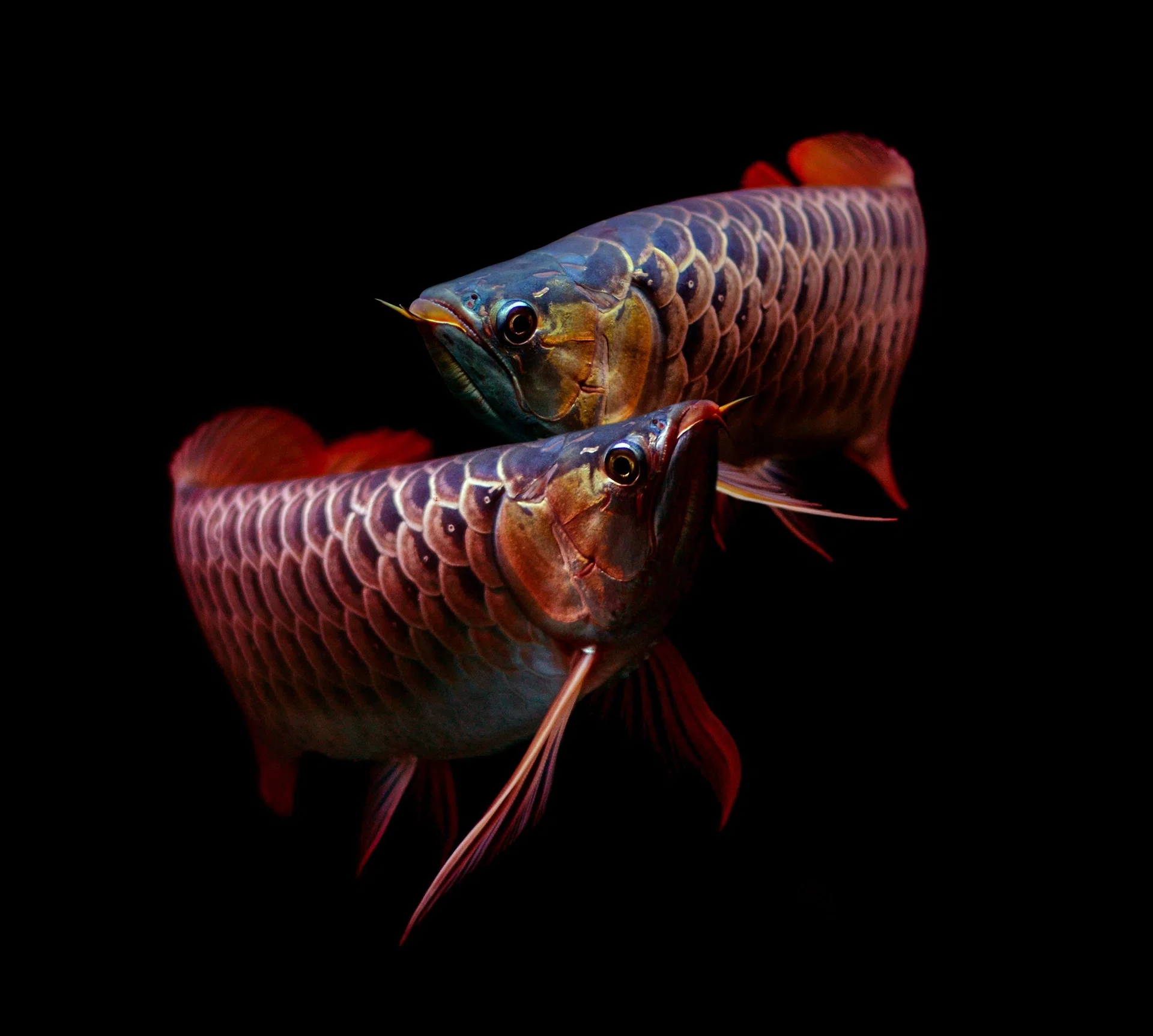
There are eight species found worldwide. The Asian arowana is unique for having naturally occurring colour strains — unlike the rest of the family, which has only one colour form.
Despite its fame, the arowana does not have a long history as a luxury ornamental fish. In fact, before it came to be known as the mythical “dragon fish”, it was considered a poor man’s meal in the Southeast Asian countries where it swims in the wild.
In her book, Voigt puts forth that it might have been conservation efforts in the 1970s that propelled the fish to prominence. That the slow-reproducing species was put on the endangered list and banned from global trade created a perception of rarity.
This, coupled with the prehistoric fish’s majestic good looks, piqued the interest of the rich seeking a new, exotic status symbol.
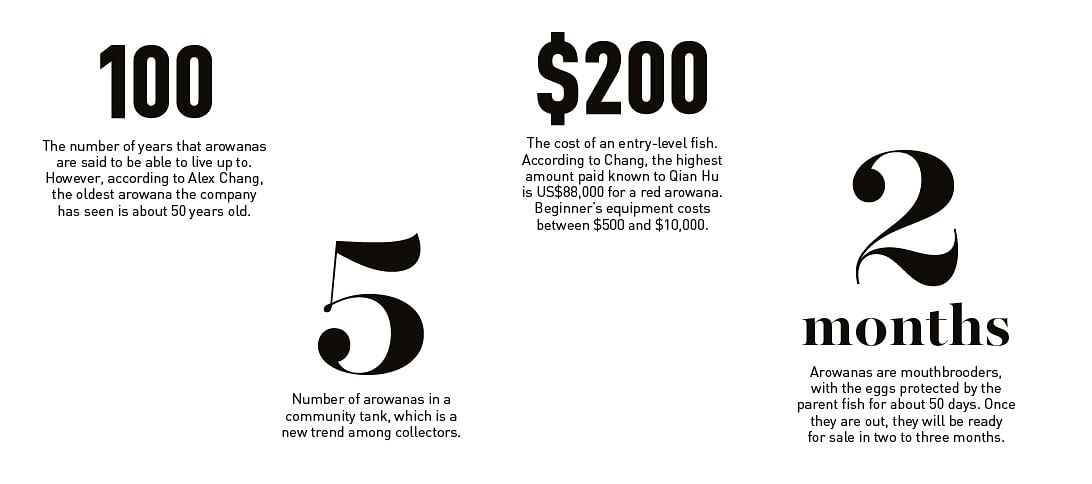
It is believed that the arowana market emerged due to demand for the Super Red, indigenous to Borneo. While the elusive strain continues to top the price charts, Alex Chang, a consultant with Qian Hu fish farm — which has been running arowana breeding and research facilities since 1989 — shares that hybrids such as the albino silver arowana are also fast gaining popularity.
“(Apart from pedigree), collectors look for the body shape, the barbels, the brilliance of the fish, the finnage and also the swimming posture,” he says.
Fish bits
Q&A with Kenny Yap, CEO, Qian Hu Corporation

How has the arowana industry changed?
Arowanas first appeared on the international market in the mid-80s. It was a grey market, as there were no clear guidelines on trading the fish, and most Asian species were wild-caught. Now, they are protected under CITES (Convention on International Trade in Endangered Species of Wild Fauna and Flora).
All Asian arowanas must have a microchip embedded in their skin. Now, all of them are bred by CITES-certified fish farms.
Have you observed any shady dealings?
Yes, such things (for instance, illegal smuggling and fish needing bodyguards) did happen in the early 1990s, when Asian arowana prices were skyrocketing. But the supply is slightly greater than demand now, so you won’t see such sensational things anymore.
Where did you get your first fish?
The first in my personal collection came from actor Chow Yun Fat, who sold his Singapore property in 2000 and decided to give away his dragon fish. It was a green arowana but with a pearl-like lump at the tip of its mouth. I called it Pearly and proudly displayed it at our farm until it died a few years back.
Did you make any first-timer mistakes?
Yes. Asian arowanas are predatory — you either keep one or more than two in a tank. When paired in a tank, they will fight for territory until one is badly injured.
What is the appeal of arowanas as pets?
I used to like goldfish, but with arowanas, I realised what elegance is, and that is what I seek as I age. Also, they have outlasted their prehistoric peers thanks to a robust internal organ system. That’s a perfect analogy for successful companies.
One that aspires to last for a few generations needs a robust internal structure. Only then can it withstand the test of time.
Top five places to purchase arowana fish
- Hong Long Fishery: Renowned for its long-standing expertise in breeding CITES-certified, export-quality Super Red and Golden arowanas, trusted by collectors worldwide. Best for direct-from-breeder premium gold & red arowanas. Visit by appointment only.
- Marugen Koi and Arowana Farm: Known for offering carefully curated, high-grade, handpicked Indonesian Red (Super Red) and Blue Base Crossback Golden arowanas (signature line) with strong emphasis on premium bloodlines. They are open from 9.30am to 5pm, and appointments are recommended.
- Grand Arowana: Popular for its showroom featuring a wide selection of rare and top-tier arowanas suited for serious hobbyists and collectors. They focus on show-display quality fish, including Super Red, Crossback Golden, and exotic strains such as albino or special lines. They are open daily from 10am to 10pm.
- Blue Crystal Aquarium: Well-known among enthusiasts for its consistent supply of diverse, mid- to high-quality arowana varieties, making it great for hobbyists and collectors.
- Supreme Arowana: The newest arowana-specialist store to open, the small CITES-certified retailer imports Indonesian Red arowanas and posts updates on its Telegram channel.